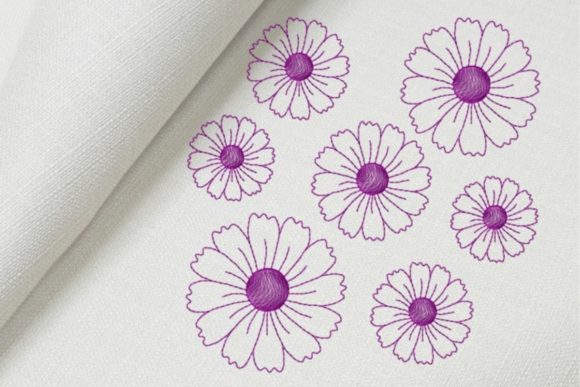
Daisies Embroidery Design Review
As a designer who spends more time staring at stitch charts and fabric swatches than sleeping, I have learned to trust my gut when it comes to embroidery files. There is a specific kind of fatigue that sets in when you are evaluating hundreds of designs for potential use in client work or small business inventory. You stop looking at the pretty pictures and start looking at the structure. That is exactly how I approached Daisies, a floral machine embroidery design that promises to add a "bunch of cuteness" to your next creation. The description is simple, but in the world of handmade products, simplicity can be either a blessing or a trap. Does this design hold up under the scrutiny of real-world stitching, or does it fall apart when the needle hits the fabric?
First Impressions and Visual Personality
The moment I opened the file preview, the mood was immediately clear: cheerful, unpretentious, and soft. The Daisies design captures that classic springtime aesthetic without leaning into overly intricate or trendy patterns that might feel dated in six months. For an embroidery project aimed at a broad audience, this visual personality is strategic. It appeals to the nursery decor market, the boutique baby clothing sector, and the general craft enthusiast who wants something timeless rather than avant-garde.
What stands out first is the layout. It feels balanced, suggesting that the artist behind this digital embroidery file understands negative space. In embroidery, what you leave out is just as important as what you put in. The flowers appear to have enough breathing room between petals to avoid a muddy, dense look, which is a common failure point for amateur digitizers. This suggests a thoughtful approach to the underlying code, prioritizing clean lines over chaotic detail.
Real-World Application: The Tote Bag Scenario
To truly test a design, you have to imagine it on a finished product. Let’s say I am preparing a batch of custom embroidered tote bags for an upcoming craft fair. These are high-volume items where margins matter and consistency is key. If I were to place the Daisies design on a natural canvas tote, here is how I see it playing out.
The design works exceptionally well as a central focal point or as part of a clustered arrangement along the side seam. Because daisies are associated with casual, everyday utility, they pair naturally with rugged fabrics like canvas or denim. However, the success of this handmade product depends heavily on thread selection. A bright white center with yellow stamens will pop against dark navy, while a pastel pink variation might get lost on a cream-colored bag unless the contrast is carefully managed. I would recommend testing multiple thread colors before committing to a full production run.
Furthermore, consider the customer experience. When a buyer receives a tote bag with this design, they are expecting a sense of warmth and approachability. The Daisies file delivers on that promise. It feels personal and thoughtful, which increases the perceived value of the item. It transforms a plain accessory into a personalized gift that feels curated rather than mass-produced.
Performance Across Different Garments and Items
While the tote bag is a strong candidate, the versatility of this machine embroidery design extends further. Here is how I envision it performing in other common scenarios:
- Sweatshirt Embroidery: Placing Daisies on the chest area of a crewneck sweatshirt creates a cozy, vintage-inspired look. The slightly raised texture of the stitches adds depth to the soft fleece material, making the design tactile as well as visual.
- Baby Embroidery: For onesies or burp cloths, the delicate nature of the flower motif is perfect. It conveys gentleness and care. However, on such thin fabrics, stabilizer choice becomes critical to prevent puckering.
- Embroidered Patch: Converting this design into an embroidered patch for backpacks or jackets is a smart move. The circular or oval framing often used with daisy motifs lends itself well to patch borders, creating a badge-like appearance that appeals to outdoor enthusiasts.
- Holiday Embroidery: While not strictly seasonal, daisies can work for spring holidays like Easter or Mother’s Day. They also serve as a year-round neutral option for customers who want something festive but not overly thematic.
Where Caution Is Required
No design is flawless, and as a reviewer, I must highlight where Daisies might present challenges. Precision in embroidery means understanding the limitations of your equipment and materials.
If you plan to use this design on stretchy fabric like jersey knits for t-shirts, you must use a high-quality tear-away or cut-away stabilizer. Without proper support, the tension of the stitch density could distort the garment, ruining the shape of the petals. Similarly, on textured fabrics like heavy tweed or boucle, fine details may get swallowed by the weave. In these cases, simplifying the design or increasing the size of the elements might be necessary to maintain clarity.
Another area requiring attention is curved surfaces, such as caps or hats. Digitizing for a curved surface requires specialized techniques to ensure the design lays flat. If the original file is optimized for flat hooping, applying it to a cap brim might result in bunching or misalignment. Always check if the hoop size and angle adjustments are compatible with your target product.
Additionally, be mindful of small details. If the design includes tiny centers or fine stems, ensure your machine can handle the precision required. On lower-end home machines, very fine satin stitch work can sometimes break threads or miss stitches. Testing on scrap fabric is non-negotiable here.
Practical Designer Notes for Success
Before you upload this file to your Etsy shop or start producing for clients, follow these practical steps to ensure quality:
- Test on Scrap Fabric: Never go straight to the final product. Stitch the design on the same type of fabric you intend to sell. This reveals issues with thread tension, color bleeding, or fabric distortion early.
- Check Stitch Density: Look closely at the fill areas. Are they too sparse, leaving gaps? Or too dense, causing the fabric to pucker? Adjust the density settings in your embroidery software if needed.
- Review Black and White Mockups: Convert your digital mockup to black and white. This helps you assess the contrast and composition without the distraction of color. If the design looks weak in grayscale, it might lack structural integrity.
- Confirm Licensing: If you are an Etsy seller or running a craft business, verify the commercial use rights of the embroidery file. Some designs allow unlimited sales, while others restrict the number of units or require attribution.
- Inspect Small Details: Zoom in on the digitized code if possible. Check for unnecessary jumps or trims that could slow down your production time. Efficiency matters in a small shop product workflow.
Final Verdict
Daisies is a solid, reliable addition to any embroidery library. It does not try to reinvent the wheel; instead, it executes a classic theme with competence and charm. For designers looking to create custom apparel, printable mockups, or design assets that resonate with a wide audience, this file offers good value. It strikes a balance between decorative appeal and technical feasibility, making it suitable for both hobbyists and professional commercial embroidery work.
By paying attention to fabric choice, stabilizer usage, and thread contrast, you can transform this simple floral motif into a standout piece. It reminds us that in the world of handmade goods, the best designs are often the ones that feel authentic, warm, and thoughtfully crafted. If you are looking to add a touch of nature and nostalgia to your next project, Daisies is definitely worth a spin on the hoop.