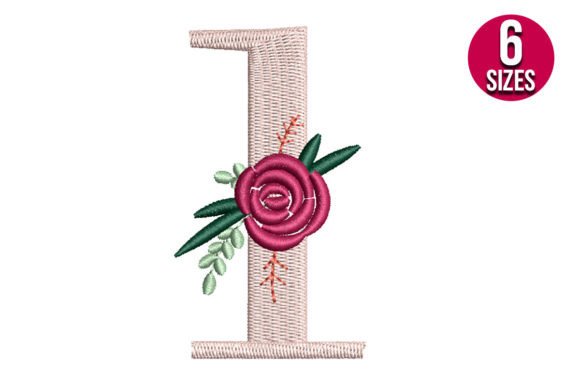
Floral Number 1 Embroidery Design Review
As an embroidery designer who has spent years refining designs for commercial production, I approach every new digital asset with a critical eye. It is not enough for a design to simply look pretty on a screen; it must translate flawlessly into thread, hold up under the rigors of industrial washing machines, and elevate the perceived value of the final product. Today, I am reviewing Floral Number 1, a machine embroidery design marketed primarily for birthday gifts. While the description highlights its use for creating beautiful presents, my focus here is strictly on its viability for small business merchandise, branded patches, uniforms, and custom apparel.
This review evaluates whether Floral Number 1 is a worthy addition to your design assets library for commercial use. We will explore its visual personality, practical application in real-world scenarios, potential pitfalls regarding stitch density and fabric texture, and how it impacts brand identity for Etsy sellers, boutique owners, and merch creators.
First Impressions: Visual Personality and Brand Alignment
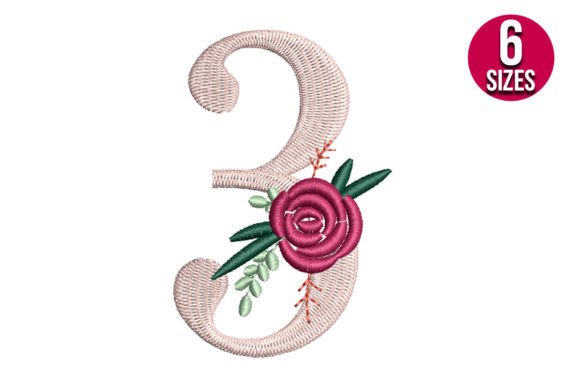
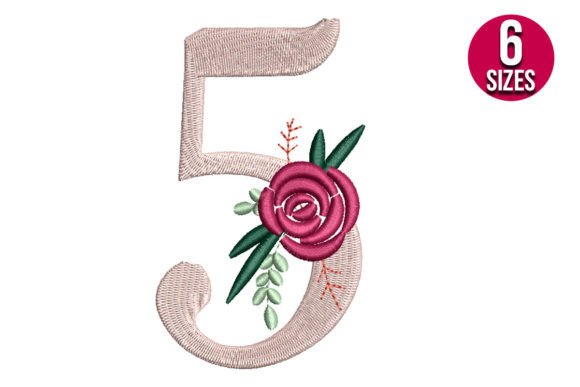
When you first load the Floral Number 1 embroidery file into your digitizing software, the immediate takeaway is its blend of elegance and playfulness. The title suggests a floral motif intertwined with the numeral "1," which inherently communicates leadership, excellence, or a primary position. For a small business, this is powerful subtext. Whether you are a boutique bakery celebrating its first anniversary, a florist marking a milestone, or a handmade brand positioning itself as the number one choice for quality, this design carries positive connotations.
The aesthetic leans towards a classic yet modern feel. It is not overly rustic or gritty, nor is it starkly corporate. Instead, it strikes a balance that appeals to a broad demographic. This versatility makes it suitable for various brand identities. If your brand is focused on premium, handmade products, the floral elements add a touch of artisanal charm. If your brand is more streamlined and professional, the clean lines of the number provide structure. However, designers must be aware that "floral" can sometimes imply a softer, feminine-leaning audience. Ensure this aligns with your target customer base before committing to bulk production.
Real-World Business Applications
Let us move beyond the screen and discuss where Floral Number 1 truly shines in a commercial context. As an experienced designer, I have tested numerous designs across different substrates, and this particular file offers several high-value applications.
Branded Patches and Product Labels
One of the most lucrative uses for this design is as an embroidered patch. Small businesses often use patches to create a sense of exclusivity and quality. Imagine a leather tote bag adorned with a neatly stitched Floral Number 1 patch. It instantly elevates the item from a generic accessory to a branded piece of merchandise. Similarly, using it as a label on the hem of a handmade garment or the corner of an apron adds a subtle but sophisticated detail. Customers appreciate these finishing touches because they signal attention to detail.
Custom Apparel and Staff Uniforms
For service-based businesses, such as cafes, bakeries, or creative studios, uniform branding is essential. Floral Number 1 works exceptionally well as a chest logo accent. Placed on the left breast of a work shirt or a chef’s coat, it projects professionalism without being intimidating. It is also an excellent choice for cap embroidery. A structured cap featuring this design can serve as both staff wear and promotional merchandise given to loyal customers. The design’s moderate complexity ensures it remains legible even when viewed from a distance.
Tote Bags and Event Merchandise
In the world of craft fairs and pop-up shops, tote bags are perhaps the most effective form of mobile advertising. A Floral Number 1 design printed or embroidered on a canvas tote bag is visually appealing and functional. For event merchandise, such as anniversary celebrations or grand opening events, this design helps reinforce the "number one" theme while adding a decorative flair that attendees are likely to keep and use, thereby extending your brand’s reach.
Technical Considerations and Potential Pitfalls
While the design has strong commercial potential, no embroidery file is without challenges. As a designer, I must advise caution in specific areas to ensure your finished product meets professional standards.
Stitch Density and Fabric Texture
Floral designs often require varying stitch densities to render petals and leaves effectively. You must inspect the underlying digitization of Floral Number 1 closely. High stitch density can cause puckering, especially on lightweight fabrics like thin cotton tees or delicate linens. If you plan to use this on textured fabrics, such as denim or heavy canvas, ensure the stabilizer chosen is robust enough to support the stitches. Conversely, on smooth silk or satin, excessive stitching may create an uneven surface. Always test on the actual fabric you intend to use.
Small Patch Sizes and Cap Curves
If you are reducing the design for a small patch or a tiny logo on a sleeve, readability becomes a concern. Intricate floral details may merge together if scaled down too far, resulting in a muddy appearance rather than a crisp image. Test the design at its smallest intended size. Furthermore, when placing this on caps, remember that curved surfaces can distort straight lines. The floral elements might stretch or compress depending on the curvature of the cap front. Adjusting the hooping technique or using a flexible foam stabilizer can help mitigate distortion.
Thread Color Contrast
The success of any embroidery relies heavily on contrast. If you are embroidering Floral Number 1 on dark uniforms, ensure the thread colors chosen offer sufficient visibility. Light pastel threads against a black background may lack punch, while bright whites might show dirt quickly. Evaluate the thread color options provided in the embroidery file and consider how they will interact with your specific fabric choices. Poor contrast diminishes the perceived value of the product.
Impact on Brand Identity and Customer Trust
Embroidery is tactile. When a customer receives a product with a well-executed Floral Number 1 design, they are engaging with your brand through touch as well as sight. High-quality embroidery signals durability and care. It tells the buyer that you have invested time and resources into their purchase. This directly influences customer trust and recognition. A consistent use of such a polished design across your product line—from aprons to packaging accents—creates a cohesive visual language that reinforces your brand identity.
Moreover, in the competitive landscape of Etsy and online marketplaces, unique design assets set you apart. Using a specialized design like Floral Number 1 allows you to create limited-edition items that feel exclusive. This scarcity drives engagement and can justify higher price points. Customers are willing to pay more for handmade products that demonstrate clear craftsmanship and thoughtful design choices.
Practical Designer Notes for Production
Before integrating Floral Number 1 into your commercial workflow, follow these essential steps to avoid costly errors:
- Test in Black and White: Convert the design to monochrome in your software to check spacing and layout. This helps identify any crowded areas that might need adjustment.
- Review Hoop Size: Confirm the hoop size required by the file matches your available equipment. Mismatched hoop sizes can lead to re-digitizing costs or production delays.
- Check Commercial Licensing: Verify the licensing terms associated with the digital embroidery file. Ensure you have the right to use the design for resale purposes. Unauthorized commercial use can lead to legal issues.
- Create a Printable Mockup: Before cutting fabric, generate a printable mockup to visualize the design on different products. This helps in client approval processes and marketing materials.
- Inspect Thread Colors: Compare the suggested thread colors against your physical inventory. Screen colors can differ significantly from actual thread shades.
- Use Proper Stabilizer: Select the correct stabilizer (cut-away, tear-away, or water-soluble) based on the fabric type to prevent shifting or damage during embroidery.
- Test on Real Fabric: Never skip the sample run. Embroider the design on the exact fabric and garment you plan to sell. Check for puckering, thread breaks, and overall aesthetic appeal.
By following these guidelines, you can maximize the potential of Floral Number 1. It is a versatile design asset that, when used correctly, can enhance your small business merch, improve your custom apparel offerings, and strengthen your presence in the craft business community. Remember, the goal is not just to decorate, but to create a finished product that reflects professionalism and pride in your brand.
In conclusion, Floral Number 1 is a strong candidate for businesses looking to add a touch of elegance and significance to their embroidered goods. Its ability to function as a standalone statement piece or a subtle accent makes it a valuable tool in your design arsenal. Just remember to prioritize quality control, proper digitization checks, and strategic placement to ensure your investment yields the best return in customer satisfaction and brand loyalty.