Flying Star Border Review for Merch
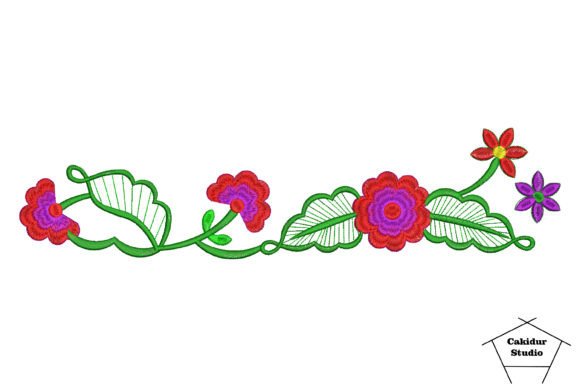
As an experienced embroidery designer who has reviewed thousands of digital files for small business clients, I approach every new design with a critical eye. We aren't just looking at aesthetics; we are looking at viability, production efficiency, and brand impact. Today, I am reviewing the Flying Star Border, a machine embroidery design described as an adorable accent with a pretty floral pattern intended to give fabrics an extraordinary look. While the description suggests a decorative function, my job is to determine if this Borders category file holds up as a serious asset for branded merchandise, embroidered patches, and commercial apparel.
First Impressions: Visual Personality and Brand Fit
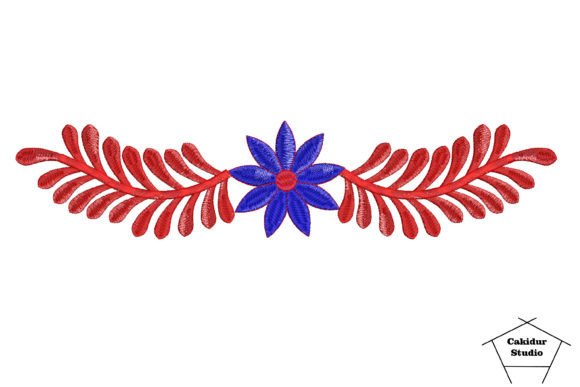
When you first load a digital embroidery file into your digitizing software, the immediate visual impression dictates its potential market. The Flying Star Border strikes a balance between playful and elegant. The combination of star motifs and floral elements suggests a brand identity that is friendly, approachable, and perhaps a bit whimsical. This is not a stark, corporate logo; it is a handmade product aesthetic.
For small business owners in niches like boutique bakeries, florist shops, pet brands, or creative studios, this design feels right at home. It conveys warmth and care. However, for a high-end luxury fashion label or a technical uniform provider, this design might feel too casual. The "adorable" nature of the design means it works best when paired with soft colors, natural fabrics, and a brand voice that emphasizes craftsmanship over industrial precision. It creates a sense of premium handmade quality, which is crucial for Etsy sellers and independent creators looking to justify higher price points through perceived value.
Real-World Business Applications
The true test of any embroidery file is how it performs on actual merchandise. Here is how I see the Flying Star Border performing across various small business categories:
- Embroidered Patches: This is likely the strongest use case. A border design can be cropped or applied as a trim around a square or circular patch. For a local café or a handmade soap brand, a patch featuring this border adds a distinct edge without overwhelming the central logo. It frames the brand message effectively.
- Apron Embroidery: For bakers, florists, or crafters, aprons are essential workwear. Placing the Flying Star Border along the hem or the pocket edge transforms a plain utility item into branded merch. It adds a professional touch that customers notice immediately.
- Tote Bag Design: Canvas tote bags are a staple for conference merch and retail shopping. A border design allows for versatile placement—along the side seams or framing a central print. It ensures the bag looks finished and intentional, rather than like a blank canvas with a slapped-on logo.
- Cap Embroidery: Using a border on the front panel or the strap of a cap can create a unique silhouette. However, this requires careful planning to ensure the stars and flowers do not compete with the main branding element.
- Product Packaging Accents: Beyond clothing, this design can be used on fabric tags or labels attached to jewelry boxes, gift wraps, or cosmetic pouches. It elevates the unboxing experience, reinforcing brand identity through tactile details.
Commercial Viability and Stitch Density
From a production standpoint, the mention of a "floral pattern" raises questions about stitch density. Floral designs often require fine detailing, which can be problematic if the final product is small. If this machine embroidery design has dense satin stitches for the flower centers, it may pucker on lightweight fabrics. As a designer, I always advise checking the stitch count relative to the hoop size. If the border is intended to be long, ensure your machine can handle the continuous stitching without frequent trimming. For commercial embroidery projects where time is money, overly complex borders can slow down production unless they are digitized efficiently with clean underlay stitches.
Where to Use Carefully: Limitations and Risks
No design is perfect for every application. There are specific scenarios where the Flying Star Border might fail to deliver the desired result:
- Small Patch Sizes: If you plan to embroider this on a patch smaller than 2.5 inches, the intricate floral details may blur together. At tiny sizes, simplicity wins. Ensure the design remains legible before committing to bulk production.
- Curved Surfaces: Applying a straight border design to a curved surface, such as the front of a baseball cap or a rounded mug sleeve, can cause distortion. The stars may appear stretched or compressed. Test this on a physical prototype to check for warping.
- Dark Uniforms: If your staff wears dark navy or black uniforms, light thread colors required for the "pretty" floral look may lack contrast. You must evaluate thread colors carefully. Dark threads might make the design look muddy, while bright threads might clash with the professional tone of the uniform.
- Frequent Washing: For items like work shirts or aprons that undergo industrial laundering, intricate borders with many cut threads can fray. Ensure the design uses sufficient tie-offs and consider using a proper stabilizer to support the fabric during washing cycles.
Impact on Brand Identity and Customer Trust
In the world of small business, every detail contributes to customer perception. High-quality embroidery signals professionalism and attention to detail. When a customer sees the Flying Star Border executed cleanly on a tote bag or a cap, it subconsciously tells them that the business cares about quality. This builds customer trust and recognition.
Furthermore, using a cohesive design language across multiple products—such as matching the border on aprons, hats, and packaging—creates visual consistency. This repetition reinforces the brand in the customer's mind. It transforms random items into a unified small business merch collection. For Etsy sellers and crafters, this level of polish can differentiate their shop from competitors who offer generic, unbranded goods.
Practical Designer Notes for Production
Before you upload this file to your production queue, follow these essential steps to ensure success:
- Test in Black and White: Convert the design to monochrome to check spacing and balance. If it looks cluttered in black and white, it will likely be messy in color.
- Check Thread Color Contrast: Select thread colors that pop against your target fabric. Avoid low-contrast combinations that disappear in shadow.
- Inspect Spacing: Zoom in on the digitization. Are the stars and flowers evenly spaced? Does the border flow naturally?
- Confirm Hoop Size: Verify that the design fits within your standard hoops. If it is a long border, ensure your machine supports multi-hooping or large hoop extensions.
- Test on Real Fabric: Never guess how a design will look on linen, cotton, or polyester. Always run a test sample on the exact material you plan to use.
- Create a Printable Mockup: Before producing inventory, generate a printable mockup to show clients or stakeholders. This helps visualize the final product without wasting materials.
- Compare Design Assets: Place this border alongside your existing logos. Does it complement them, or does it compete for attention?
- Confirm Commercial Licensing: Most importantly, verify the license terms. Ensure you have the right to use this embroidery file for commercial resale. Do not assume ownership unless explicitly stated.
The Flying Star Border offers a charming, versatile option for businesses looking to add a touch of elegance and playfulness to their merchandise. By understanding its strengths in patches and apparel, while respecting its limitations in small sizes and complex curves, you can leverage this design to enhance your brand’s visual appeal. Remember, successful embroidery is not just about the art; it is about the execution. With proper testing and strategic placement, this design can become a valuable asset in your design assets library, helping you create memorable finished products that resonate with your audience.