Floral Arrow Embroidery Design Review
As a designer who spends more time looking at stitch density charts and fabric swatches than scrolling through endless design galleries, I approach every new file with a mix of optimism and skepticism. The market is saturated, but few designs actually stand up to the scrutiny of real-world application. Today, I am evaluating Floral Arrow, a piece categorized under Bouquets and listed as an Embroidery product. My goal here is not just to tell you what it looks like on a screen, but to analyze how it functions as a machine embroidery design when it hits the hoop.
The premise is simple: a fantastic floral embroidery design for fashionable fabrics. But "fashionable" can mean anything from delicate lace to heavy denim. Does Floral Arrow hold its own in both environments? Let’s dig into the practicalities of using this design for custom apparel, handmade products, and small business merchandise.
First Impressions and Visual Personality
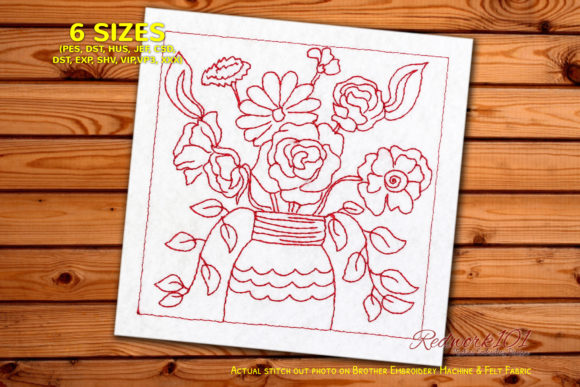
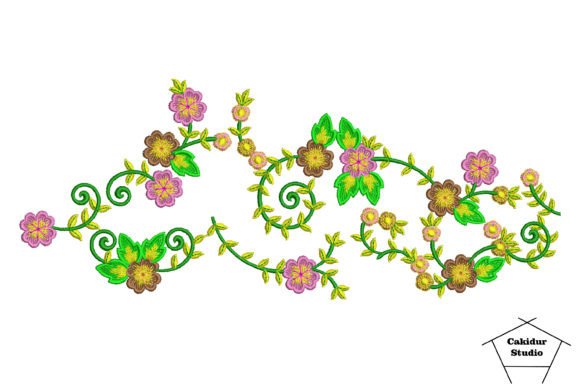
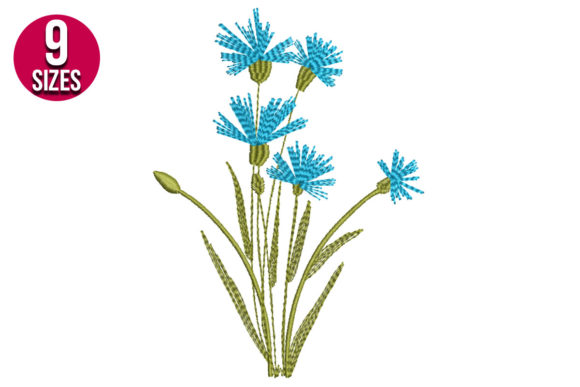
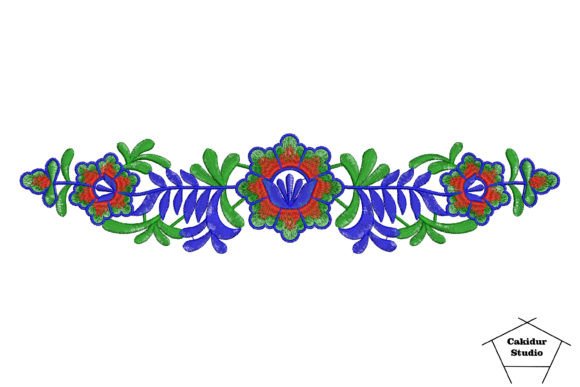
When you first load the embroidery file, the layout of Floral Arrow commands attention without shouting. It strikes a balance between intricate detail and negative space that many designers struggle to achieve. The visual personality is elegant yet grounded. It feels less like a generic clip-art bouquet and more like a curated arrangement meant for a boutique setting.
The mood it creates is one of refined craftsmanship. For an Etsy seller or small shop product creator, this distinction matters. Customers can often sense the difference between a mass-produced digital asset and a design with intentional composition. Floral Arrow leans heavily into the latter. The interplay of petals and stems suggests movement, which translates well into thread work if the digitization is clean.
Real-World Application: The Custom Tote Bag Scenario
To truly test a design, you have to imagine it on a finished product. Let’s consider a common use case: creating a custom embroidered tote bag for a local craft fair or a personalized gift. This is where many designs fail because they look great flat but collapse under the weight of stitching.
If I were placing Floral Arrow on a canvas tote, I would position it slightly off-center rather than dead center. The organic flow of the floral elements works better when it interacts with the natural drape of the bag. On a sturdy cotton canvas, the design’s details should pop. However, on a thinner, textured fabric, caution is required. The intricate nature of the flowers means that if the fabric is too loose, you risk puckering or losing definition in the smaller petals.
This design also shines as a sweatshirt embroidery element. Imagine a soft, heather-gray crewneck with Floral Arrow stitched over the heart area. The contrast between the cozy texture of the fleece and the precision of the stitches creates a high-end feel. It elevates a basic garment into a statement piece, perfect for holiday gifts or wedding favors.
Performance Across Different Mediums
One of the strengths of Floral Arrow is its versatility. It is not limited to one type of project. Here is how it performs across various mediums:
- Home Decor: As a pillow cover or kitchen towel design, it adds a touch of sophistication. Tablecloths benefit from the central placement often associated with bouquet designs, creating a focal point for dining settings.
- Baby Items: For baby embroidery, such as onesies or blankets, the softness of the floral theme is appropriate. However, ensure the stitch density is not too stiff against sensitive skin. A lighter fill stitch might be preferable here.
- Accessories: An embroidered patch version of this design could work well for jackets or hats. The arrow motif (if present in the directional flow) provides a nice structural anchor for the organic flower shapes.
- Commercial Use: For commercial embroidery projects, such as branded aprons for cafes, the design is professional enough to withstand brand consistency checks. It looks expensive without being overly ornate.
Where to Exercise Caution
No design is perfect for every situation. There are specific scenarios where Floral Arrow might require adjustments or careful consideration.
- Small Hoop Sizes: If you are working with a 4x4 inch hoop or smaller, the intricate details may become muddy. Tiny petals can merge together if the resolution isn't high enough. Always preview the design at actual size before committing to the final fabric.
- Textured and Stretchy Fabrics: While it works well on stable fabrics, stretchy knits or highly textured materials like bouclé can distort the shape. In these cases, a heavy-duty stabilizer is non-negotiable. Without proper support, the stitch density can pull the fabric out of alignment.
- Dense Stitch Areas: Check the areas where the fill stitches overlap. If the digitizer did not account for thread compression, the design might feel thick and rigid. This is particularly important for garments that need to lie flat against the body.
- Curved Surfaces: Applying this to caps or curved sleeves requires advanced technique. The flat nature of most digital files does not account for three-dimensional curvature. Test on scrap material first to see how the perspective shifts.
Practical Designer Notes for Implementation
Before you start stitching, there are several technical steps every serious maker should take. These habits protect your reputation and ensure customer satisfaction.
First, always test the design on scrap fabric. This allows you to evaluate the thread colors in context. A color combination that looks vibrant on a monitor might look dull on beige linen. Try contrasting light and dark backgrounds to see how the design adapts. If you are using applique design techniques, verify that the placement lines are clear and accurate.
Second, inspect the small details. Zoom in on the digital file. Are the satin stitches clean, or are there jagged edges? Do the running stitch outlines appear crisp? Clarity in these micro-details is what separates a professional finish from a hobbyist attempt.
Third, consider the stabilizer. For a design with significant fill coverage, cut-away stabilizer is usually the safest bet for durability, especially for items that will undergo frequent washing. Tear-away might suffice for temporary projects, but for a handmade product intended to last, stability is key.
Finally, check the licensing terms. Even though this is a review of the visual and functional aspects, remember that selling finished items requires permission. Confirm whether the digital embroidery file license covers commercial use. Many creators overlook this, leading to legal issues down the line.
Final Verdict
Floral Arrow is a strong contender for anyone looking to add a touch of elegance to their portfolio. It bridges the gap between artistic expression and commercial viability. Whether you are designing a tote bag design for a summer market or a holiday embroidery gift for a client, this design offers reliability and aesthetic appeal.
It respects the viewer’s eye by not overcomplicating the layout, yet it rewards close inspection with intricate floral details. For the craft business owner, it is a versatile asset that can be adapted to multiple price points and product types. Just remember to respect the limitations of fabric and hoop size, and you will find that Floral Arrow delivers a finished product that customers will appreciate and cherish.