Floral Carapace: A Designer’s Review for Real Embroidery Projects
As a designer who spends half my day tweaking stitch paths and the other half advising small business owners on what actually sells, I approach every new embroidery file with a healthy dose of skepticism. We have all seen designs that look stunning in a digital preview but fall apart under the needle. Today, I am evaluating Floral Carapace, a pattern categorized under Bouquets that markets itself as an elegant abstract floral motif. The description promises it is a detailed pattern suitable for background ornamentation and allows for safe color changes. But does it hold up when you are preparing a custom order for a client or stocking your Etsy shop?
First Impressions: Mood and Visual Personality
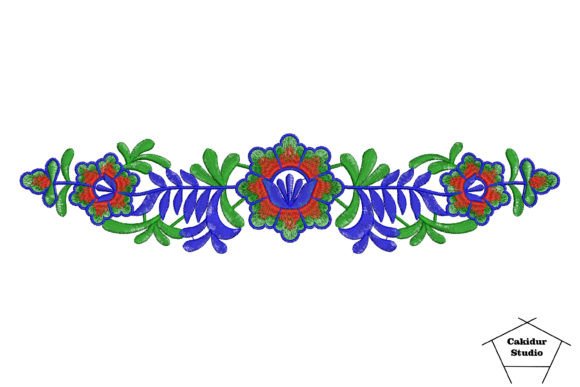
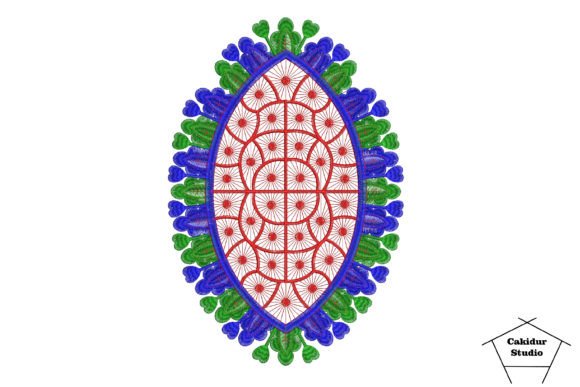
The moment you load Floral Carapace into your digitizing software, the first thing you notice is its structural integrity. Unlike many generic floral designs that feel scattered or overly busy, this design has a distinct "carapace" quality—suggesting a shell-like or armored elegance. It creates a mood that is sophisticated yet organic. The abstract nature of the flowers means it avoids looking like a literal garden scene, which is crucial for modern branding.
For a creative entrepreneur, this distinction matters. A literal flower might feel too traditional for a trendy boutique, but an abstract interpretation feels contemporary. The layout suggests it was built to function well as a background ornament, meaning it can frame text or sit behind a logo without overwhelming the focal point. This versatility is exactly what a skilled embroiderer looks for. It feels professional right out of the box, lacking the jagged edges or awkward spacing that often plague mass-produced digital embroidery files.
Real-World Application: Where Does It Shine?
Let’s move beyond the screen and talk about real project use. I recently considered using Floral Carapace for a batch of custom embroidered tote bags intended for a local artisan market. Here is how I visualized the process:
- Tote Bag Design: Because the design acts as a background ornament, it works beautifully on canvas totes. You can place a bold brand name in the center and let Floral Carapace frame the edges. The abstract petals provide texture without cluttering the readable space needed for logos.
- Sweatshirt Embroidery: For cozy winter apparel, this design adds a touch of luxury. The "carapace" theme implies structure, which translates well to heavier fabrics. It elevates a basic hoodie from a casual sweatshirt to a statement piece.
- Baby Embroidery: Abstract florals are safer for nursery decor and baby clothes than realistic flowers, which can sometimes look eerie or too sharp. The soft, flowing lines of this bouquet category fit perfectly into pastel palettes for personalized gifts.
- Commercial Embroidery: If you are selling finished products, this design bridges the gap between hobbyist crafts and high-end retail. It looks intentional and expensive, which helps justify higher price points for handmade product buyers.
I also envision this working exceptionally well as an embroidered patch. The defined outer edges of a carapace-style motif make it easy to cut out and apply to caps or denim jackets. It provides a strong silhouette that remains recognizable even at smaller scales.
Technical Considerations and Stitch Behavior
When reviewing an machine embroidery design, I always think about the stitch density and how the machine will handle the transitions. Since Floral Carapace is described as having detailed elements, we must assume a mix of fill stitches for the petals and perhaps satin or running stitches for definition.
The ability to safely change colors is a major plus. This feature allows you to customize the thread colors to match specific brand guidelines or seasonal trends. For example, you could run a gold-on-black version for holiday embroidery or a soft pink-on-white version for spring collections. However, frequent color changes can slow down production time, so it is important to plan your thread spool organization before starting a large run.
In terms of stitch types, the abstract nature likely relies heavily on fill stitch to create those elegant shapes. When executing fill stitch, ensuring proper underlay is key to preventing fabric puckering. If you are applying this to a custom apparel item like a t-shirt, you must use a stabilizer that matches the fabric weight. A lightweight tear-away might not be enough for dense floral areas, whereas a cut-away might be overkill for a simple tea towel.
Where to Use It Carefully
No design is perfect for every surface. There are specific scenarios where Floral Carapace might struggle if you do not adjust your approach:
- Small Hoop Sizes: While the design is elegant, intricate details can get lost if the hoop size is too small. If you try to shrink it down to fit a tiny cap front, the abstract petals may merge into a muddy blob. Always inspect small details before committing to a final size.
- Textured or Stretchy Fabrics: Embroidering on thick fleece or highly stretchy jersey requires extra caution. The tension of the stitch density can distort the fabric. Test on scrap fabric first to ensure the design lays flat.
- Dark Fabric Backgrounds: If you choose light-colored threads for a dark garment, ensure there is enough contrast. Conversely, dark threads on black fabric will disappear. Use proper thread colors that pop against your chosen fabric texture.
- Curved Surfaces: Applying this to a curved surface like a hat brim can be tricky. The design might need slight adjustments to follow the curve, or it may look distorted when viewed from the side.
Impact on Brand and Customer Trust
For an Etsy seller or small shop product creator, the quality of your embroidery directly impacts customer trust. A sloppy stitch job screams amateur hour, while a clean, precise design like Floral Carapace signals professionalism. When a buyer receives a personalized gift with crisp lines and consistent tension, they are more likely to leave a positive review and recommend your brand.
This design also enhances the perceived value of your items. An abstract floral motif feels curated and artistic. It transforms a plain apron or pillow cover into a decorative object. This is particularly important for digital product sellers who create printable mockups; showing this design on high-quality renders can help attract buyers looking for premium design assets.
Practical Designer Notes Before You Stitch
Before you start producing, here is my checklist for integrating Floral Carapace into your workflow:
- Test on Scrap Fabric: Never run a full production batch without testing. Check how the fill stitch interacts with your specific fabric type.
- Review Stitch Density: Ensure the density is appropriate for the garment. Too much density can make a shirt stiff; too little can look sparse.
- Confirm Hoop Size: Verify that the design fits your standard hooping dimensions. If it is borderline, consider resizing slightly to avoid edge clipping.
- Check Licensing: As with any digital embroidery file, confirm whether you have commercial rights to sell finished items. Some creators restrict the number of units you can produce.
- Black and White Mockup: View the design in grayscale to check for balance. Sometimes colors hide poor composition, but black and white reveals imbalances in negative space.
Floral Carapace is a strong contender for designers who want to add a touch of abstract elegance to their portfolio. It is versatile enough for personal projects yet polished enough for commercial success. By paying attention to fabric choice, stabilizer usage, and color contrast, you can turn this pattern into a standout piece that customers will love. Whether you are making a one-off holiday embroidery gift or scaling up for a craft fair, this design offers the reliability and aesthetic appeal needed to succeed in today’s handmade market.