Green Leaf Embroidery Design Review
As an embroidery designer who spends hours fine-tuning stitch paths and selecting thread palettes, I am always looking for designs that offer both aesthetic appeal and technical reliability. When browsing Creative Fabrica embroidery collections, the sheer volume of options can be overwhelming. However, the Green Leaf design caught my eye not just for its visual simplicity, but for its potential versatility in real-world commercial projects.
I recently evaluated this machine embroidery design with a specific goal in mind: determining if it is suitable for high-quality handmade products destined for Etsy shops, craft fairs, or boutique merchandise. Below is my honest assessment of how Green Leaf performs as an embroidery file for apparel, home decor, and accessories.
First Impressions and Visual Appeal
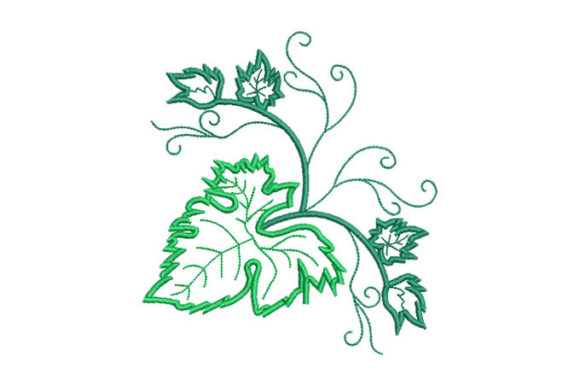
The immediate impression of the Green Leaf design is one of organic elegance. Unlike complex floral arrangements that require precise color blending, this design relies on the natural beauty of leaf shapes to create visual interest. It feels fresh, modern, and adaptable. The stitch density appears balanced, avoiding the heavy, stiff feel that often plagues poorly digitized botanical designs.
For designers focusing on Floral and nature-inspired themes, this embroidery design serves as a perfect accent or standalone statement piece. The lines are clean, suggesting that the digitizer paid close attention to the flow of the satin stitch and fill stitch areas. This attention to detail is crucial when creating custom apparel where the texture of the embroidery contributes significantly to the perceived value of the item.
Real-World Application in Handmade Products
To truly understand the utility of Green Leaf, I considered how it would perform across various product categories. Here is how I see this digital embroidery file fitting into popular handmade markets:
- Tote Bag Design: A single large leaf or a cluster of leaves works beautifully on canvas tote bags. The natural theme complements the eco-friendly vibe of reusable bags, making it a strong choice for personalized gift items.
- Sweatshirt Embroidery: For cozy fall or spring collections, Green Leaf adds a subtle touch of sophistication. It breaks up solid colors effectively without overwhelming the garment’s silhouette.
- Kitchen Towels and Aprons: In the kitchen textile market, botanical motifs are perennial best-sellers. This design fits seamlessly into farmhouse or modern rustic aesthetics, enhancing the handmade product appeal.
- Baby Blankets and Nursery Decor: Soft green tones (when paired with appropriate thread) make this design gentle enough for nursery items. It offers a gender-neutral option for parents seeking unique personalized gift ideas.
- Embroidered Patch: If the file includes a clean edge or applique backing, Green Leaf can be transformed into a detachable patch for denim jackets or caps, adding a trendy, customizable element.
Technical Performance and Stitch Quality
One of the most critical aspects of any machine embroidery design is how it handles different fabric types and stabilizers. Based on the structure of Green Leaf, here are some practical considerations:
Stitch Density and Texture
The design likely utilizes a mix of satin stitch for outlines and fill stitch for the body of the leaves. This combination helps prevent puckering, provided the correct stabilizer is used. For stretchy fabrics like jersey knit sweatshirts, a cut-away stabilizer is essential to maintain the integrity of the embroidery file over time. On woven cottons, such as those used for aprons or pillow covers, a tear-away stabilizer may suffice, though wash-away options offer a cleaner finish for delicate materials.
Thread Color Contrast
Because the design is monochromatic or limited in palette by nature, the choice of thread color is paramount. On dark fabrics, a lighter green thread will pop, while on light fabrics, a deeper forest green provides contrast. It is advisable to test multiple thread colors to see which best suits your brand’s aesthetic. The visual mood shifts dramatically depending on whether you choose a sage green for a soft look or a lime green for a vibrant, energetic feel.
Hoop Size and Placement
Before committing to production, always confirm the hoop size requirements. While many leaf designs are compact, larger variations may require multi-hooping. If you are producing items quickly, smaller hoop sizes reduce setup time. Check the product details on Creative Fabrica to ensure the dimensions align with your machine’s capabilities.
Potential Challenges and Solutions
No design is without its challenges. Here are a few scenarios where extra care is needed:
- Dense Stitch Areas: If the leaf veins are densely stitched, ensure your needle is sharp and your tension is adjusted correctly to avoid thread breaks.
- Curved Surfaces: Applying this design to curved cap surfaces requires precise placement and possibly a specialized hoop. The flatness of the leaf shape might distort if the curvature is too extreme.
- Frequent Washing: For items like kitchen towels or baby clothes that undergo frequent washing, inspect the small details after stitching. Ensure that the running stitch elements (if present) are secure and will not unravel.
Impact on Product Value and Branding
In the competitive world of commercial embroidery, presentation is everything. A well-executed Green Leaf design enhances product photography by adding texture and depth to images. Buyers trust brands that demonstrate attention to detail, and high-quality embroidery signals professionalism.
Using consistent design assets like Green Leaf helps build brand consistency. If you specialize in nature-themed goods, incorporating this design into a cohesive collection—perhaps alongside matching applique design elements or complementary floral patterns—creates a recognizable identity. This consistency fosters customer engagement and loyalty, as shoppers come to expect a certain level of quality from your shop.
Furthermore, the versatility of Green Leaf allows for creative marketing strategies. You can create printable mockup images showing the design on various backgrounds, helping customers visualize the final finished product. This is particularly effective for online sellers who cannot physically show their inventory.
Practical Tips for Implementation
To get the best results from Green Leaf, follow these steps:
- Test on Scrap Fabric: Always run a test stitch on a scrap piece of the same fabric you plan to use. This reveals how the material interacts with the stabilizer and thread.
- Check File Details: Visit the Creative Fabrica product page to review the specific file formats included. Ensure they are compatible with your embroidery software.
- Review Licensing: Before selling finished items, carefully read the license terms. Most digital embroidery files allow for commercial use of the physical product, but restrictions may apply to reselling the digital file itself.
- Inspect Small Details: Zoom in on the digitized preview to check for tiny lettering or intricate details that might get lost in production. Adjust the scale if necessary.
Final Thoughts
The Green Leaf embroidery design is a solid addition to any designer’s library. Its clean lines, versatile application, and natural aesthetic make it suitable for a wide range of handmade products. Whether you are creating custom apparel for a local boutique or expanding your Etsy listings with new seasonal items, this design offers a reliable foundation for creativity.
By paying attention to technical details like stabilizer choice and thread contrast, you can elevate this simple leaf motif into a premium finished product that customers will love. It is a testament to the fact that sometimes, the simplest designs have the greatest impact.