Hands with Flower Embroidery Design Review
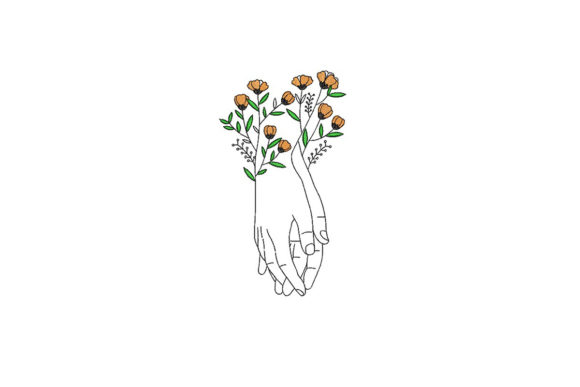
As an experienced embroidery designer who has spent countless weekends hunched over a sewing machine and organizing booths at local craft fairs, I know that the difference between a design that sits on the shelf and one that sells out by noon comes down to more than just aesthetics. It is about visual impact, production practicality, and how well the piece translates from a digital file into a tangible handmade product. Today, I am reviewing a specific asset titled Hands with Flower, categorized under Outline Flowers and classified as Embroidery. The description promises that this floral motif will help you "make your things unique" and allows for discretionary color schemes, provided the right materials are selected. Let us break down exactly how this design performs in the real world of boutique retail and online sales.
First Impressions: Visual Appeal and Market Fit
When I first loaded the Hands with Flower design into my hoop, my immediate reaction was one of gentle elegance. The title suggests a human element—hands holding or presenting flowers—which immediately evokes themes of care, nature, and craftsmanship. In the crowded marketplace of handmade goods, emotional resonance is a powerful selling point. This design does not feel aggressive or overly modern; instead, it leans toward a soft, rustic, or perhaps farmhouse aesthetic that resonates deeply with craft fair shoppers.
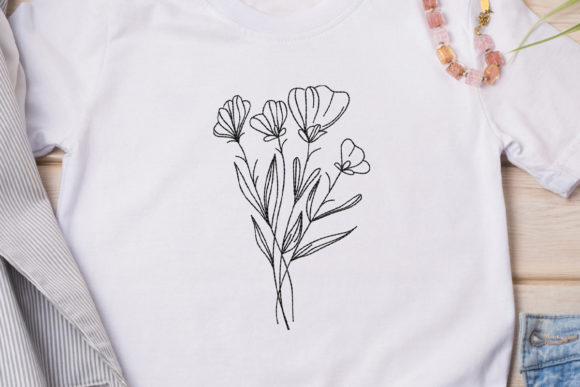
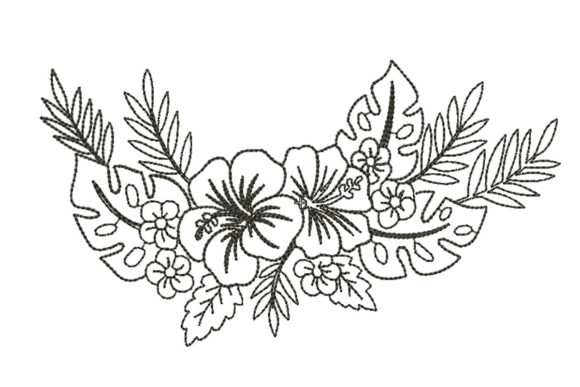
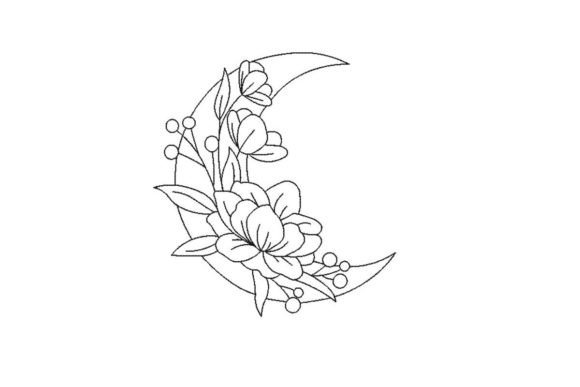
The "outline" classification is crucial here. Outline designs often rely on negative space and clean lines to create their shape. For a booth display, this means the design will likely photograph exceptionally well. Unlike dense fills that can sometimes look muddy if the thread tension is off, outline work tends to remain crisp and legible even from a distance. This makes it an excellent candidate for a tote bag design where the logo or art needs to be seen clearly as customers walk past your table.
Product Versatility: Where Hands with Flower Shines
One of the biggest questions I face when evaluating a new embroidery file is versatility. Does it only work on one item, or can it be adapted across a range of products? Hands with Flower shows remarkable flexibility, which is essential for maximizing return on investment for any Etsy seller or small business owner.
- Tote Bags and Market Bags: This is perhaps the strongest application. A floral motif held by hands pairs beautifully with canvas totes. It feels personal and artisanal. Because the design is likely scalable, it can serve as a large focal point on the front of a bag or a subtle accent on the side pocket.
- Apron Embroidery: Kitchen items are staples at craft fairs. Placing Hands with Flower on the bib of a linen apron adds a touch of warmth to the kitchen. The outline style works well here because it does not overwhelm the fabric texture, allowing the natural weave of the cotton or linen to show through.
- Tea Towel Embroidery: Similar to aprons, tea towels are high-volume, lower-cost impulse buys. The design’s simplicity allows it to fit neatly into the corner of a towel without consuming too much production time, making it a profitable small shop product.
- Embroidered Patches and Caps: If the design is compact enough, it translates perfectly to iron-on patches or structured caps. The "hands" aspect gives it a badge-like quality that looks great on denim jackets or baseball caps, appealing to a slightly younger demographic.
- Pillow Covers and Home Decor: For boutique makers, larger home decor items offer higher price points. The design’s ability to allow for custom color schemes means you can match it to seasonal trends, such as pastel pinks for spring or deep burgundies for autumn.
Production Practicality and Manufacturing Notes
From a production standpoint, efficiency is key. You need to produce these items quickly to meet demand. When evaluating Hands with Flower, we must consider the stitch density and complexity. Outline designs generally have lower stitch counts than solid fill designs, which means faster hooping and stitching times. This directly impacts your profit margin.
However, there are cautionary notes. Even outline designs can suffer if the stitch density is too low, causing the fabric to pucker, or if the details are too tiny, causing them to get lost in the fabric texture. Before committing to a full batch, you must test the design on scrap fabric. Pay close attention to the spacing between the lines of the outline. If the gaps are too narrow, the threads may merge, losing the delicate "floral" feel. Conversely, if they are too wide, the design may look sparse and unfinished.
Another critical factor is the choice of stabilizer. For lightweight fabrics like muslin tea towels, a cut-away stabilizer is often necessary to prevent distortion. For heavier canvas tote bags, a tear-away might suffice, but testing is always recommended. Using the wrong stabilizer can ruin the drape of the final product, making it feel stiff and unappealing to buyers.
Photography and Online Presentation
In today’s market, your printable mockup is just as important as the physical product. Customers cannot touch the embroidery before buying, so your images must convey texture and quality. Hands with Flower, with its likely clean lines and open spaces, should photograph beautifully against neutral backgrounds. It allows the eye to rest on the details without being overwhelmed.
When creating listings, highlight the customization aspect mentioned in the description. Show multiple colorways. Perhaps a version with cream thread on navy fabric, another with sage green on white, and a third with blush pink on light gray. This demonstrates to the buyer that the design is adaptable to their home decor style. High-quality photos of the finished product, showing close-ups of the stitches, build trust and justify a premium price point.
Final Verdict and Designer Recommendations
Overall, Hands with Flower appears to be a strong addition to any embroiderer’s library. It strikes a balance between decorative appeal and production ease. It fits seamlessly into the current trend of handmade, nature-inspired goods. However, success depends on execution.
To ensure the best results, follow these steps:
- Test First: Always run a test stitch-out on the actual fabric you plan to use. Check for puckering, thread breaks, and clarity of detail.
- Check Hoop Size: Ensure the design dimensions fit comfortably within your standard hoop sizes (e.g., 4x4, 5x7, 6x10) to avoid awkward re-hooping or limited placement options.
- Thread Selection: Experiment with different thread colors to find the highest contrast and most visually pleasing combinations. Metallic threads might add a nice touch for special occasion items.
- Commercial Licensing: Before selling finished products, double-check the license terms of the digital file. Ensure you have the right to sell items made with this design commercially.
If you are looking to add a versatile, emotionally resonant piece to your inventory that appeals to a broad range of customers—from those buying gifts to those decorating their homes—Hands with Flower is a worthy candidate. It embodies the spirit of handmade quality and offers the creative freedom needed to stand out in a competitive market.