Tropical Embroidery Design Review
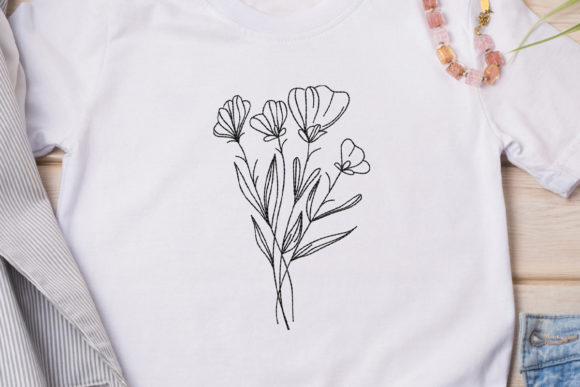
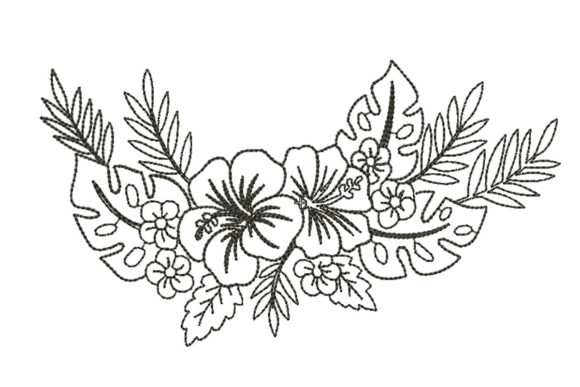
As an experienced embroidery designer, I spend a significant portion of my day evaluating digital assets for their commercial viability. When reviewing a machine embroidery design for small business merchandise, the goal is never just aesthetic appeal; it is about durability, brand consistency, and production efficiency. Today, I am breaking down the "Tropical" design from the Outline Flowers category. The product description promises to "add freshness" with a "gorgeous flower" that provides an "impressive floral touch." But does it hold up when applied to real-world applications like branded patches, staff uniforms, or high-volume Etsy orders? Let’s dive into the technical and strategic details.
First Impressions: Visual Personality and Brand Fit
The name "Tropical" immediately sets a specific tone. In the world of brand identity, this suggests vibrancy, warmth, and approachability. Unlike rigid geometric logos or stark minimalist icons, a floral outline design feels organic and handmade. For small business owners in the lifestyle sector—think cafes, boutiques, florists, or pet brands—this design offers a sense of premium quality without feeling overly corporate.
Visually, the "outline" nature of the flowers is a critical detail. Outlines tend to feel lighter and more elegant than dense fills. This makes the design feel friendly and playful rather than heavy or aggressive. It works exceptionally well for businesses that want to convey creativity and care. However, because it relies on negative space (the fabric showing through), it demands a certain level of confidence in its placement. It is not a design that hides; it announces itself with grace.
Real-World Business Applications
So, where does "Tropical" shine in a commercial setting? Having tested similar designs in various contexts, here is how I see this embroidery file performing across different product lines:
- Embroidered Patches: This is perhaps the strongest use case. Floral outlines translate beautifully onto iron-on or sew-on patches. They look intricate but remain legible at standard patch sizes. These are perfect for adding a custom touch to denim jackets, backpacks, or customer appreciation gifts.
- Apron Embroidery: For bakeries, coffee shops, and craft studios, a chest-sized tropical flower adds a professional yet warm accent. It breaks up the monotony of solid-colored workwear and signals to customers that attention to detail matters.
- Cap Embroidery: The curved surface of a baseball cap or trucker hat complements the organic shape of a flower. Placed on the front panel, it serves as a subtle logo that doesn’t overwhelm the wearer. It is ideal for summer collections or seasonal merch.
- Tote Bag Design: Canvas totes are a staple for small business merch. A single, well-placed floral motif looks sophisticated and artistic. It elevates a basic tote into a branded asset that customers actually want to carry around town.
- Custom Apparel Accents: Beyond the chest, consider sleeve cuffs, collar backs, or pocket edges. The delicate nature of the outline allows it to fit into smaller spaces where a large logo might look cluttered.
Strategic Considerations and Potential Pitfalls
While the design has strong potential, there are specific areas where caution is required. As a designer, I always advise clients to think about the limitations of the medium before committing to bulk production.
Small Patch Sizes and Legibility: If you plan to scale this design down to less than two inches, you must be careful. Outline stitches can sometimes merge together if the thread tension is off or the fabric stretches too much. Always create a printable mockup at the actual final size to check for clarity.
Curved Surfaces: Embroidering on caps or curved garment panels introduces distortion. The straight lines of a hoop may not translate perfectly to a curve. Test run this on your actual blank product to ensure the flower maintains its intended shape and does not pucker excessively.
High Stitch Density and Fabric Texture: While described as an outline, some floral designs include dense satin stitches for centers or leaves. If the stitch density is too high for lightweight fabrics like thin cotton tees or silky blends, it can cause the fabric to pucker or tear over time. Conversely, on highly textured fabrics like heavy wool or rough burlap, fine details may get lost. Always match the design weight to the fabric weight.
Dark Uniforms and Contrast: The effectiveness of an outline design relies heavily on contrast. On dark backgrounds, you will need bright or light thread colors to make the "freshness" pop. On white or light fabrics, darker threads provide definition. Poor color choice can render the design invisible or muddy.
Impact on Brand Identity and Customer Trust
In the competitive landscape of handmade products and artisanal goods, presentation is everything. High-quality embroidery signals professionalism and longevity. When a customer sees a crisp, clean stitch job on a tote bag or apron, they subconsciously associate that same care with the product inside the bag or the service provided by the business.
Using a cohesive design asset like "Tropical" helps establish visual consistency. Whether it appears on a website watermark, a printed label, or an embroidered patch, the recurring floral motif builds recognition. It tells the story of a brand that values nature, beauty, and craftsmanship. This emotional connection drives buyer engagement and fosters loyalty. Customers are more likely to trust a brand that invests in tangible, durable branding elements rather than cheap prints that fade after a few washes.
Practical Designer Notes for Production
Before you upload this digital embroidery file to your machine, follow these essential steps to ensure a successful outcome:
- Test in Black and White: Convert the design to monochrome to check the balance of positive and negative space. If the outlines feel too sparse or too crowded in grayscale, they will likely look unbalanced in color.
- Check Thread Color Contrast: Select thread colors that offer sufficient contrast against your target fabric. Avoid low-contrast combinations unless you are aiming for a very subtle, tonal effect.
- Inspect Spacing and Hoop Size: Ensure the design fits comfortably within your available hoop size. Also, verify that the spacing between petals is wide enough to prevent stitching errors or thread breaks.
- Use Proper Stabilizer: The right stabilizer is crucial for maintaining shape. Use cut-away stabilizer for stretchy fabrics and tear-away for stable wovens. Incorrect stabilization is the leading cause of puckering in floral designs.
- Create a Mockup: Before producing 50 units, embroider one sample on the exact fabric you intend to use. Inspect it under good lighting. Look for loose threads, misaligned stitches, or distortion.
- Confirm Commercial Licensing: Verify that you have the correct license to use this design for commercial embroidery projects. Many designers restrict resale rights or limit the number of items produced.
By carefully considering these factors, you can leverage the "Tropical" design to create stunning, professional-grade merchandise that enhances your brand value. It is a versatile asset that, when executed correctly, will add that impressive floral touch your customers love.