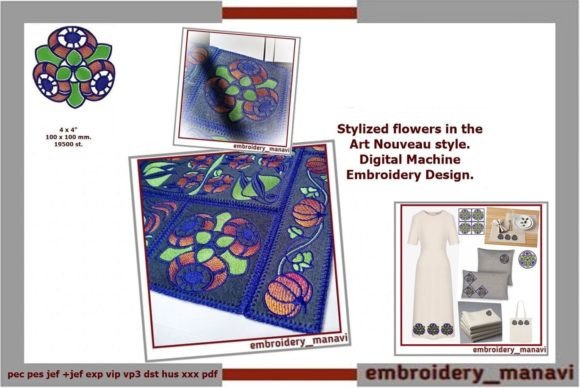
Patchwork with Flower Design Review
As an embroidery designer who has spent years turning digital files into tangible brand assets, I approach every new design file with a mix of artistic appreciation and commercial scrutiny. When reviewing Patchwork with Flower, my primary focus is not just on its aesthetic appeal for home decor, but on its viability as a scalable asset for small business merchandise, branded patches, and custom apparel. This review evaluates how this Art Nouveau-inspired floral design performs in real-world production scenarios, from Etsy product labels to staff uniforms.
First Impressions: Visual Personality and Brand Alignment
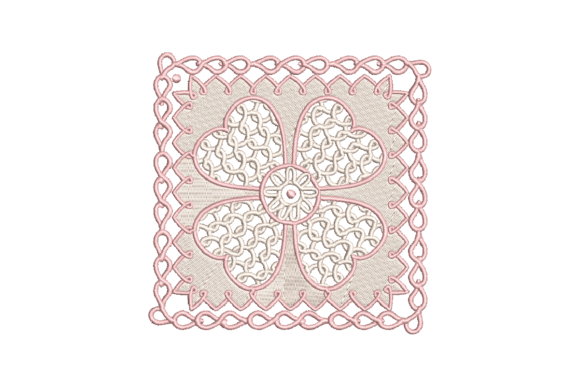
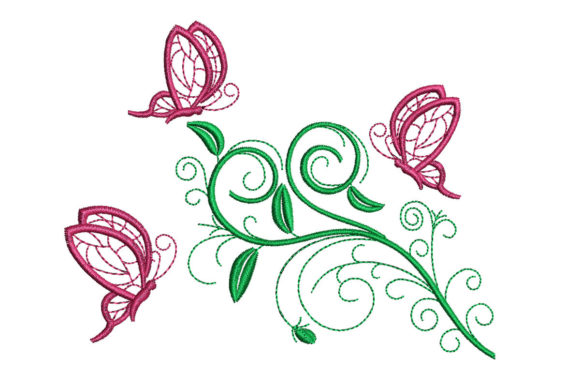
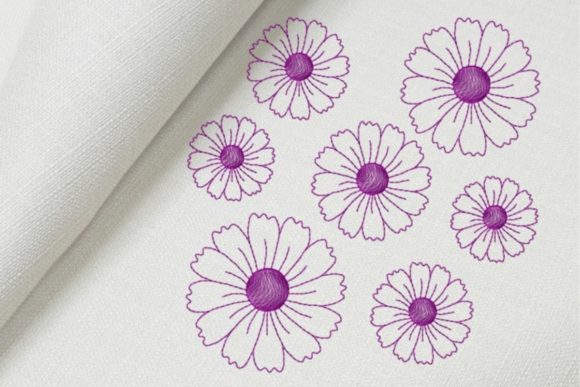
The title Patchwork with Flower immediately suggests versatility. The description highlights "stylized flowers in the Art Nouveau style," which sets a clear expectation for the visual tone. Art Nouveau is characterized by organic lines, flowing forms, and a sense of elegance. For a small business owner, this translates to a brand identity that feels premium, thoughtful, and perhaps a bit rustic or handmade. It does not scream modern minimalism; rather, it whispers sophistication and tradition.
When I first look at this machine embroidery design, I see a design that bridges the gap between decorative art and functional branding. The "patchwork" aspect implies modularity. This is crucial for small business merch because it suggests the design can be broken down or repeated, allowing for creative placement on various items. It feels friendly yet professional, making it suitable for industries like floristry, boutique bakeries, artisanal cafes, and handmade jewelry brands. It avoids being overly delicate, which is a common pitfall for floral designs that lose detail when stitched small.
Real-World Business Applications
The true test of any embroidery file is its performance on finished goods. Here is how Patchwork with Flower can serve specific business needs:
- Embroidered Patches: The modular nature of this design makes it ideal for creating cohesive patch collections. A boutique might use individual flower elements as distinct badges on denim jackets or canvas bags. These embroidered patches add perceived value to handmade products and allow customers to customize their own gear.
- Staff Uniforms and Aprons: For a café or bakery, this design works beautifully as a chest logo accent or a sleeve detail. The Art Nouveau style elevates the uniform, signaling to customers that attention to detail matters. It transforms a standard work shirt into a branded experience.
- Tote Bag Designs: Tote bags are a staple for Etsy branding and craft fairs. Placing a large-scale version of the patchwork flowers on the front of a tote bag creates a striking visual statement. Alternatively, repeating smaller floral motifs along the handles or bottom hem adds subtle texture.
- Cap Embroidery: While complex, the stylized nature of these flowers can be adapted for cap fronts. If simplified slightly, they offer a softer alternative to traditional sports logos, appealing to lifestyle brands and creative studios.
- Product Packaging Accents: Beyond apparel, this digital embroidery file can be used to create branded tags or hang-tags for clothing lines. A small embroidered flower label sewn into a garment’s neckline adds a luxury touch that enhances customer trust and recognition.
Strategic Considerations and Limitations
Not every design fits every application. As a designer, I must advise caution in specific scenarios where Patchwork with Flower might struggle:
- Small Patch Sizes: If you intend to stitch this design at a very small scale (under 2 inches), intricate Art Nouveau details may blur together. Fine lines can merge, and negative space may disappear, resulting in a muddy appearance. Always test at the final production size.
- Curved Surfaces: Embroidering on curved surfaces like caps or rounded bottle sleeves requires careful hooping and tension adjustment. Complex patterns can distort if the fabric stretches unevenly during stitching.
- High Stitch Density: Art Nouveau styles often rely on dense fills to create depth. On lightweight fabrics, this can cause puckering. Conversely, on heavy denim, it might be too stiff. Evaluate the stitch density relative to your chosen fabric.
- Dark Uniforms: If your brand colors are dark, ensure there is sufficient contrast between the thread colors and the background fabric. Light pastel threads may get lost on black or navy uniforms, reducing visibility and impact.
- Frequent Washing: For items like aprons or work shirts that undergo frequent industrial washing, ensure the design uses stable stitches that resist fraying. Loose satin stitches on delicate petals may degrade faster than fill stitches.
Impact on Brand Identity and Customer Trust
Choosing the right design assets directly influences how customers perceive your brand. Patchwork with Flower contributes to a brand identity that values craftsmanship and aesthetics. When a customer sees high-quality embroidery on a tote bag or a uniform, it signals professionalism and investment in quality. This visual consistency reinforces brand recognition.
Furthermore, the "handmade" feel of embroidery resonates with consumers who prefer authentic, artisanal brands over mass-produced goods. By using a design that emphasizes organic forms and elegant lines, you align your business with values of care and attention to detail. This can lead to higher customer engagement and loyalty, as buyers feel they are supporting a business that prioritizes beauty and function.
Practical Designer Notes for Production
Before incorporating Patchwork with Flower into your commercial embroidery projects, follow these essential steps to ensure a successful finished product:
- Test in Black and White: Convert the design to monochrome to check the balance of positive and negative space. If the design looks cluttered in black and white, it will likely be problematic in color.
- Check Hoop Size and File Format: Verify that the hoop size accommodates your intended placement area. Ensure the file format is compatible with your embroidery machine software.
- Review Thread Color Contrast: Select thread colors that pop against your target fabric. Use a printable mockup to visualize the final look before committing to production.
- Inspect Spacing and Density: Look closely at the digitizing. Are there areas where stitches are too close, risking needle breaks? Is there enough spacing for clean edges?
- Test on Real Fabric: Never assume a design will stitch well on all materials. Run a test sample on the actual fabric you plan to use, including the appropriate stabilizer. This helps identify issues with puckering, shifting, or tension problems.
- Confirm Commercial Licensing: Before selling merchandise, ensure you have the proper commercial license for the digital embroidery file. Unauthorized use can lead to legal issues and harm your business reputation.
- Create Client Mockups: If you are offering custom services, provide clients with a realistic preview of how Patchwork with Flower will look on their specific products. This manages expectations and reduces returns.
In conclusion, Patchwork with Flower is a versatile and elegant choice for businesses looking to add a touch of Art Nouveau charm to their merchandise. Its modular design allows for creative applications across various products, from apron embroidery to tote bag design. However, success depends on careful planning, proper testing, and attention to technical details. By following these guidelines, you can leverage this design to enhance your brand identity and deliver high-quality, memorable products to your customers.