Floral Hanging Lantern Review
As an embroidery designer who has spent years translating digital concepts into tangible brand identity markers, I approach every new embroidery file with a critical eye. We are not just looking for something pretty; we are looking for versatility, clarity, and commercial viability. Today, I am reviewing the Floral Hanging Lantern, a design that promises aesthetic appeal for everything from home goods to apparel. But does it hold up when scaled down for an embroidered patch or applied to the curved surface of a cap? Let’s dive into the practical realities of using this design for small business merchandise.
First Impressions: Visual Personality and Brand Fit
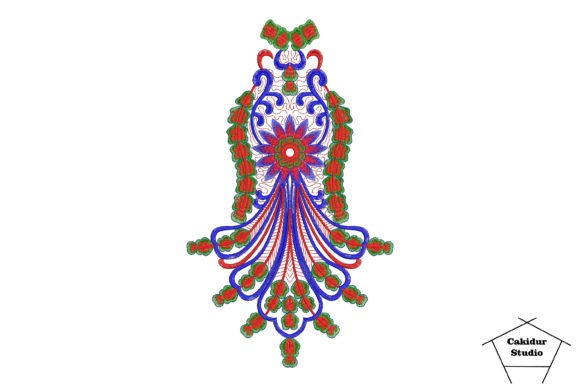
The title Floral Hanging Lantern immediately suggests a blend of organic softness and structural elegance. In my experience, designs that combine natural elements like flowers with geometric or functional shapes like lanterns often bridge the gap between rustic charm and modern sophistication. For a small business owner, this duality is gold. It allows for a handmade product feel without sacrificing the polish required for professional retail environments.
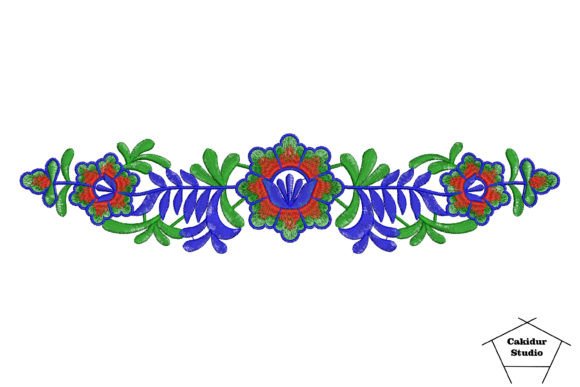
When you first view the machine embroidery design, you are likely struck by its delicate nature. The floral components suggest femininity, growth, and care—attributes that resonate strongly with brands in the wellness, botanical, bakery, or boutique sectors. However, the "lantern" aspect implies light and guidance, adding a layer of premium quality. This isn't just a decorative flower; it is a curated image. For Etsy sellers and crafters, this visual language helps establish immediate trust. Customers associate clean, well-executed floral motifs with attention to detail, which directly impacts perceived product value.
Real-World Business Applications
The description notes that this design is perfect for pillow covers, bed sheets, tablecloths, t-shirts, canvas, and hoodies. While these are valid applications, let’s look at where this digital embroidery file truly shines in a B2B or direct-to-consumer merch context.
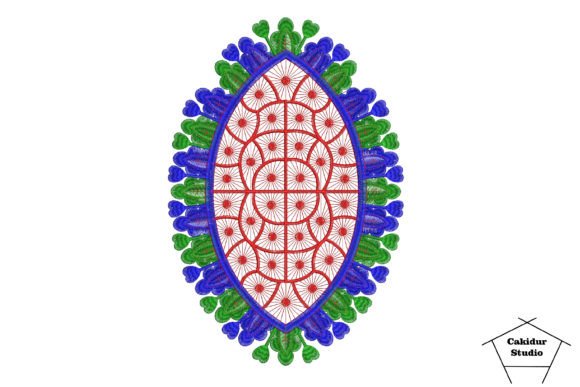
- Embroidered Patches: One of the most lucrative uses for this design is as a branded patch. The contained nature of a lantern shape makes it ideal for edge-to-edge stitching on patches. Imagine a leather-backed patch featuring the Floral Hanging Lantern sewn onto the chest of a denim jacket or the side of a tote bag. It serves as a subtle yet distinct logo mark that customers can remove if they wish, increasing the perceived value of the garment.
- Staff Uniforms and Aprons: For cafes, bakeries, or florists, uniformity is key. A custom apparel solution featuring this design on the left chest of a work shirt or the bib of an apron creates a cohesive team look. The floral element softens the utilitarian nature of workwear, making staff appear approachable and friendly.
- Tote Bag Design: Canvas totes are a staple for handmade brands. Placing the Floral Hanging Lantern centrally on a heavy-duty cotton tote provides a striking focal point. Because the design is described as having a creative touch, it stands out against plain backgrounds, acting as free advertising whenever the customer carries their purchases.
- Cap Embroidery: Structured caps require designs that read well from a distance. If the stitch density of the lantern frame is bold enough, this design can work beautifully on the front panel of a dad hat or trucker hat, appealing to the trendy, casual demographic.
Strategic Placement and Brand Identity
Incorporating the Floral Hanging Lantern into your small business merch strategy requires more than just hitting the start button on your machine. It requires strategic thinking about brand identity. When a customer sees this design on a product, what do they think?
If used on high-end bedding or luxury packaging accents, the design communicates exclusivity and artistry. It suggests that the brand cares about aesthetics beyond functionality. This elevates the finished product in the eyes of the buyer. Conversely, if placed on everyday items like basic t-shirts or reusable shopping bags, it signals accessibility and community spirit. The key is consistency. Ensure that the thread colors you choose align with your existing color palette. A muted sage green and cream combination will evoke a different emotion than bright neon pinks and oranges.
Furthermore, consider the visual consistency across your marketing materials. If you create a printable mockup for your online store, ensure the embroidery texture is represented accurately. Customers cannot touch the fabric, so the visual representation of the stitch work builds confidence in the quality of the commercial embroidery service or product.
Practical Designer Notes for Production
Before you commit this embroidery file to production runs, there are several technical checks every designer should perform. These steps protect your reputation and ensure customer satisfaction.
- Test in Black and White: Before selecting thread colors, digitize or view the design in monochrome. This helps you assess the balance of negative space versus filled areas. If the lantern structure disappears in black and white, it may lack the definition needed for clear branding.
- Check Small Scale Legibility: Many businesses want to use this design on small patches or cuff details. Zoom in to 50% scale. Can you still distinguish the petals from the lantern frame? If the details become muddy, you may need to simplify the digitization or increase the minimum stitch length.
- Review Thread Color Contrast: High stitch density can sometimes cause colors to bleed together if the contrast is too low. Test your chosen thread colors on the actual fabric type. Dark uniforms, for example, might swallow up lighter floral threads unless a dense underlay is used.
- Inspect Spacing and Hoop Size: Confirm the recommended hoop size matches your equipment. More importantly, check the spacing between the floral clusters and the lantern outline. Tight spacing increases the risk of puckering, especially on stretchy fabrics like hoodie fleece.
- Stabilizer Selection: The choice of stabilizer is crucial. For woven fabrics like cotton tote bags, a cut-away stabilizer ensures longevity. For knits, a tear-away or wash-away might be appropriate depending on the desired finish. Always test on a scrap piece of the exact fabric you plan to use.
- Create a Client Mockup: Never sell a custom embroidered item without showing the client a realistic preview. Use a printable mockup that overlays the design onto a photo of the actual product. This manages expectations regarding size and placement.
- Confirm Commercial Licensing: Finally, verify the license terms of the digital embroidery file. Even if the design is aesthetically perfect, you must have the legal right to sell products made from it. Check if the purchase includes commercial use rights for unlimited items or if there are restrictions on the number of units.
Final Verdict
The Floral Hanging Lantern is a versatile asset for any embroiderer looking to expand their catalog. Its blend of organic and structured elements makes it suitable for a wide range of industries, from florists to fashion boutiques. By paying close attention to stitch density, fabric texture, and proper stabilization, you can transform this design asset into a profitable addition to your small business offerings. Remember, the success of an embroidered product lies not just in the beauty of the design, but in the precision of its execution. Test thoroughly, present professionally, and watch your brand recognition grow.