Wheat with Herringbone Review
As an embroidery designer who has spent years translating graphics into thread, I approach every new digital file with a mix of creative excitement and technical scrutiny. When evaluating a design for commercial use—whether it’s for a boutique brand, a local café, or a handmade product line—the goal is never just aesthetics. It is about durability, clarity, and brand value. Today, I am reviewing Wheat with Herringbone, a machine embroidery design that promises to bridge the gap between rustic charm and professional polish. This review focuses on its viability for small business merchandise, branded patches, and custom apparel.
First Impressions: Visual Personality and Brand Fit
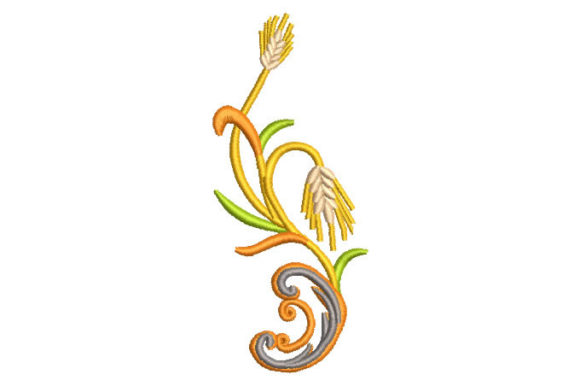
The title Wheat with Herringbone immediately suggests a specific aesthetic direction. In my experience, successful commercial designs often rely on this kind of clear visual language. Wheat evokes feelings of harvest, natural ingredients, growth, and organic quality. The herringbone pattern adds a layer of structure, history, and textile tradition. Together, they create a look that is both rustic and elegant.
For a small business owner, this combination is powerful. It feels handmade yet refined. It does not scream for attention like a neon graphic; instead, it whispers quality. This makes it an excellent choice for brands that want to project trustworthiness and artisanal care. Whether you are selling organic skincare, artisanal bread, or vintage-inspired clothing, the visual personality of this design aligns well with values of authenticity and craftsmanship. It avoids being overly decorative or cluttered, which is crucial for maintaining a clean brand identity.
Real-World Applications for Small Business Merch
One of the most critical questions in embroidery design is: "Where will this actually live?" A beautiful digitized file is useless if it fails in production. Here is how Wheat with Herringbone performs across various high-demand merchandise categories.
Embroidered Patches and Product Labels
This design shines as an embroidered patch. The herringbone texture provides enough visual interest to hold up even at smaller sizes, while the wheat motif offers a recognizable focal point. For small businesses, these patches can be ironed or sewn onto:
- Boutique Merchandise: Sewn onto denim jackets, tote bags, or canvas backpacks as a premium accent.
- Product Packaging: Attached to paper bags for bakeries, florists, or pet brands to elevate unboxing experiences.
- Customer Gifts: Used as a thank-you tag on handmade goods to reinforce brand recognition.
Apparel and Uniforms
For service-based businesses, consistency is key. This design works exceptionally well for staff uniforms where a subtle logo is preferred over a large, bold emblem.
- Apron Embroidery: Placed on the chest of chef aprons or barista smocks, it adds a touch of warmth without interfering with functionality.
- Cap Embroidery: The compact nature of the design allows it to sit cleanly on the front panel of baseball caps or beanies, common items for event merch and trade shows.
- Tote Bag Design: Centered on a canvas tote, the herringbone background provides a textured contrast to the smooth fabric, making the wheat motif pop.
Digital Assets and Mockups
Even if you do not embroider the final product yourself, owning this digital embroidery file allows you to create realistic printable mockups. You can visualize how the design looks on different fabric textures before committing to bulk production. This is invaluable for Etsy sellers and product designers who need to showcase their small business merch effectively online.
Technical Considerations and Potential Pitfalls
No design is perfect for every application. As a designer, I must highlight areas where Wheat with Herringbone requires careful handling to ensure a professional finished product.
Size and Detail Limitations
While the herringbone pattern is distinct, it relies on stitch density to read clearly. If you attempt to reduce this design too much for a tiny label or a very small cap logo, the details may merge together. Always test the design at your intended output size. If the wheat stalks become indistinct blobs, the design loses its impact. Similarly, avoid placing this on highly curved surfaces where distortion might warp the geometric herringbone lines.
Fabric and Thread Contrast
The success of any embroidery depends heavily on thread colors and fabric texture. On dark uniforms or heavy-duty work shirts, you must ensure sufficient contrast. A light wheat color on a black background will stand out beautifully, but a dark thread on a dark fabric will disappear. Additionally, on highly textured fabrics like coarse burlap or thick fleece, the fine details of the herringbone may get lost. Smooth cottons, linens, and poly-blends are ideal candidates.
Stitch Density and Stabilization
Check the stitch density of the file. High-density designs can feel stiff and plastic-like if not executed properly. Ensure you are using the correct stabilizer for your fabric type to prevent puckering. For lightweight fabrics used in delicate custom apparel, a tear-away stabilizer might be necessary, whereas heavier materials can handle cut-away options for long-term durability.
Impact on Brand Identity and Customer Trust
Investing in high-quality embroidery is an investment in your brand’s perceived value. Customers associate embroidered logos with durability and permanence. Unlike printed graphics that may crack or fade after a few washes, a well-digitized machine embroidery design lasts for years.
When a customer sees Wheat with Herringbone on a product, they subconsciously associate it with care and attention to detail. This enhances brand identity by signaling that you prioritize quality. It builds customer trust because the physical product matches the premium image projected in your marketing. Furthermore, the natural motifs of wheat appeal to a growing market segment interested in sustainable, organic, and locally sourced products, helping you connect emotionally with your target audience.
Practical Designer Notes for Production
Before you upload this file to your production queue, follow these essential steps to avoid costly mistakes:
- Test in Black and White: Convert the design to monochrome first. This helps you evaluate the balance of negative space and stitch coverage without the distraction of color.
- Check Hoop Size: Confirm that the hoop size required by the file fits your embroidery machine and the item you intend to embroider. Large designs may require re-hooping, which can misalign the pattern.
- Review Spacing: Zoom in on the digitized file. Are there gaps that are too wide? Will the stitches lay flat? Proper spacing ensures a smooth finish.
- Compare Against Other Assets: Place this design beside your existing logo or other design assets to ensure visual consistency. Does the style match your overall brand voice?
- Confirm Commercial Licensing: This is non-negotiable. Ensure you have the right to use this embroidery file for commercial purposes. Selling merchandise with unauthorized designs can lead to legal issues.
- Create a Client Approval Mockup: If you are a decorator working with clients, provide a realistic mockup showing the design on their specific product. This manages expectations and reduces revisions.
Final Verdict
Wheat with Herringbone is a versatile, stylish, and commercially viable addition to any embroidery library. Its blend of natural imagery and classic pattern makes it suitable for a wide range of industries, from food and beverage to fashion and lifestyle. By paying attention to technical details like stitch density, fabric choice, and licensing, small business owners can leverage this design to create memorable, high-quality merchandise that strengthens their brand presence. It is a smart choice for anyone looking to add a touch of artisanal elegance to their commercial embroidery projects.